Understanding the Causes of Skin Pigmentation
Updated: Oct 6, 2025
Skin pigmentation is a topic that often piques curiosity and concern alike. It is a natural phenomenon, yet when pigmentation becomes uneven or excessive, it can affect one’s confidence and skin health. Over the years, I have come to appreciate the complexity behind skin pigmentation and the many factors that influence it. Today, I want to share a detailed exploration of the causes of pigmentation, helping you understand what lies beneath the surface and how to approach it with care and knowledge.
Exploring the Causes of Pigmentation
Pigmentation refers to the colouring of the skin, primarily determined by melanin, a pigment produced by cells called melanocytes. When melanin production is disrupted or uneven, it results in various pigmentation issues such as dark spots, melasma, or hyperpigmentation. Understanding the causes of pigmentation is essential for anyone seeking advanced aesthetic skin treatments, as it guides the choice of effective therapies.
Several factors contribute to pigmentation changes, including:
Sun Exposure: Ultraviolet (UV) rays stimulate melanocytes to produce more melanin as a natural defence mechanism. Prolonged or intense sun exposure often leads to sunspots or age spots.
Hormonal Changes: Fluctuations in hormones, especially during pregnancy or from contraceptive use, can trigger melasma, a common pigmentation disorder.
Skin Injuries: Post-inflammatory hyperpigmentation occurs when the skin darkens after trauma such as acne, cuts, or burns.
Genetics: Some individuals are genetically predisposed to pigmentation irregularities.
Medications and Chemicals: Certain drugs and topical agents can increase pigmentation as a side effect.
Aging: As skin ages, melanin distribution can become uneven, leading to pigmentation spots.
Each of these causes interacts uniquely with the skin, making personalized treatment plans crucial for optimal results.

What is the Most Common Cause of Skin Pigmentation?
Among the many causes, sun exposure stands out as the most common and influential factor in skin pigmentation. The sun’s UV rays penetrate the skin and trigger melanocytes to produce melanin, which darkens the skin to protect deeper layers from damage. While this is a natural protective response, excessive sun exposure without adequate protection can lead to persistent pigmentation issues.
For example, sunspots or solar lentigines often appear on areas frequently exposed to sunlight, such as the face, hands, and shoulders. These spots are more than just cosmetic concerns; they indicate cumulative sun damage that can accelerate skin aging and increase the risk of skin cancer.
To mitigate this, I always recommend:
Daily use of broad-spectrum sunscreen with at least SPF 30.
Wearing protective clothing and wide-brimmed hats.
Seeking shade during peak sun hours (10 AM to 4 PM).
Incorporating antioxidants in skincare to combat free radical damage.
By understanding the sun’s role in pigmentation, we can take proactive steps to protect and preserve our skin’s natural beauty.

How Hormonal Changes Influence Pigmentation
Hormonal fluctuations are another significant cause of pigmentation, particularly in women. Melasma, often called the "mask of pregnancy," is a classic example where hormonal shifts stimulate melanocytes excessively, leading to symmetrical dark patches on the face.
This condition is commonly triggered by:
Pregnancy
Birth control pills
Hormone replacement therapy
The hormones estrogen and progesterone increase melanin production, making the skin more susceptible to pigmentation changes. While melasma can fade after hormonal levels stabilise, it often requires targeted treatment to manage effectively.
For those experiencing hormonal pigmentation, I suggest:
Consulting with a dermatologist or skin specialist to tailor treatments.
Using gentle, non-irritating skincare products.
Avoiding direct sun exposure and using high-SPF sunscreen.
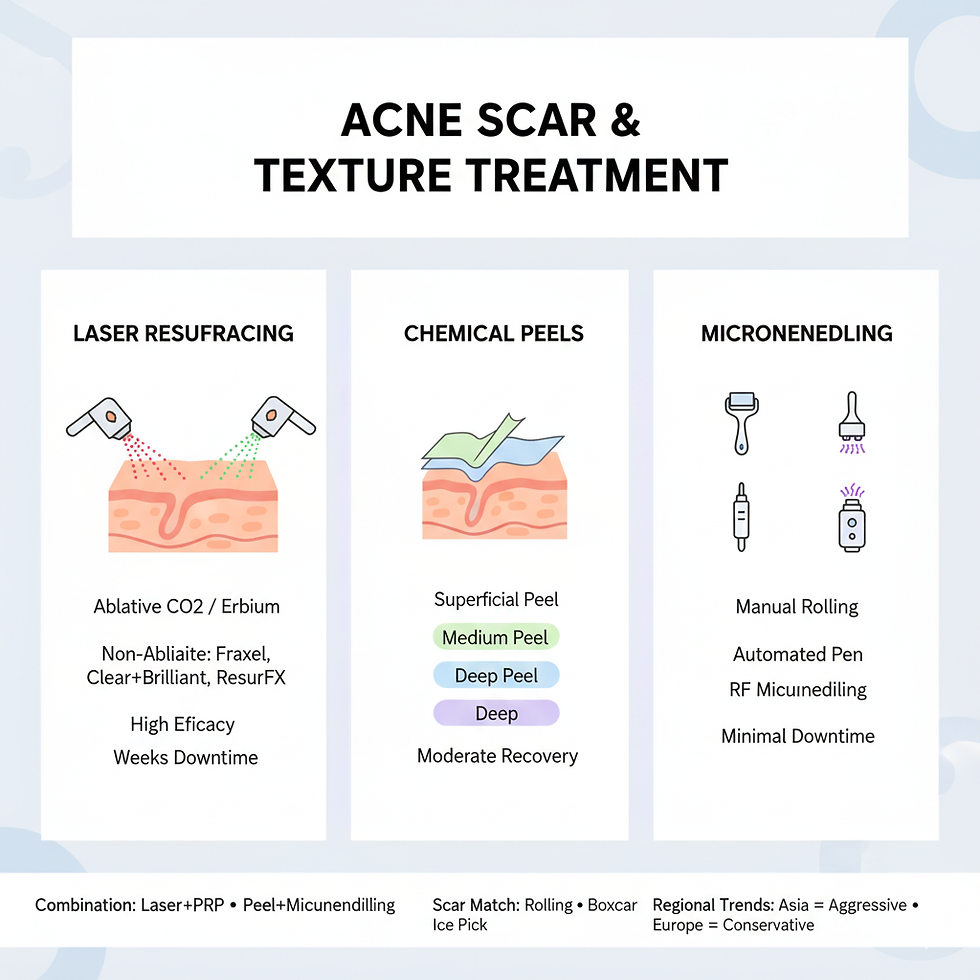
Considering professional treatments such as chemical peels, laser therapy, or microneedling under expert guidance.
Understanding the hormonal influence on pigmentation empowers you to approach treatment with patience and precision.

The Role of Skin Injuries and Inflammation
Post-inflammatory hyperpigmentation (PIH) is a common aftermath of skin injuries or inflammation. When the skin undergoes trauma—whether from acne, eczema, cuts, or burns—the healing process can trigger an overproduction of melanin in the affected area. This results in darkened patches or spots that linger long after the initial injury has healed.
PIH is particularly prevalent in individuals with darker skin tones, where melanocytes are more reactive. It can be frustrating because the pigmentation may persist for months or even years without proper care.
To manage and prevent PIH, consider the following:
Treat underlying skin conditions promptly to reduce inflammation.
Avoid picking or scratching the skin.
Use gentle skincare products that promote healing without irritation.
Incorporate ingredients like vitamin C, niacinamide, and azelaic acid, known for their brightening and anti-inflammatory properties.
Seek professional treatments such as laser therapy or chemical peels for stubborn pigmentation.
By addressing inflammation early and protecting the skin, you can minimise the risk of long-term pigmentation issues.
Genetics and Aging: Natural Influences on Pigmentation
While external factors play a significant role, genetics and aging also shape our skin’s pigmentation patterns. Some people inherit a tendency toward uneven pigmentation or specific conditions like freckles or lentigines. These genetic predispositions mean that even with careful sun protection and skincare, pigmentation may still occur.
Aging further complicates pigmentation. As the skin’s regenerative capacity slows down, melanin distribution becomes less uniform. This leads to the appearance of age spots and a duller complexion. Additionally, the skin thins with age, making pigmentation more noticeable.
To support aging skin and manage genetic pigmentation tendencies, I recommend:
Maintaining a consistent skincare routine with antioxidants and moisturisers.
Using retinoids or peptides to encourage cell turnover and collagen production.
Scheduling regular professional skin assessments to customise treatments.
Considering advanced aesthetic treatments available at clinics like BB Skin Boutique, which specialise in personalised care for radiant, youthful skin.
Embracing these natural influences with informed care helps maintain skin health and confidence over time.
Taking Control of Your Skin’s Radiance
Understanding the many facets of pigmentation is the first step toward achieving clear, radiant skin. Whether pigmentation arises from sun exposure, hormonal changes, injury, genetics, or aging, each cause offers clues for effective management.
If you are seeking advanced aesthetic skin treatments, it is vital to work with experienced professionals who can tailor solutions to your unique skin profile. At BB Skin Boutique, we are dedicated to providing world-class care that addresses pigmentation concerns with precision and compassion.
Remember, skin pigmentation causes are diverse, but with the right knowledge and treatment, you can restore balance and glow to your complexion. Protect your skin, nurture it with the right products, and embrace the journey to healthier, more luminous skin.
Your skin’s story is unique - let it be one of confidence and beauty.
For personalised advice and advanced treatments, consider consulting a specialist who understands the nuances of pigmentation and skin health.


Comments